

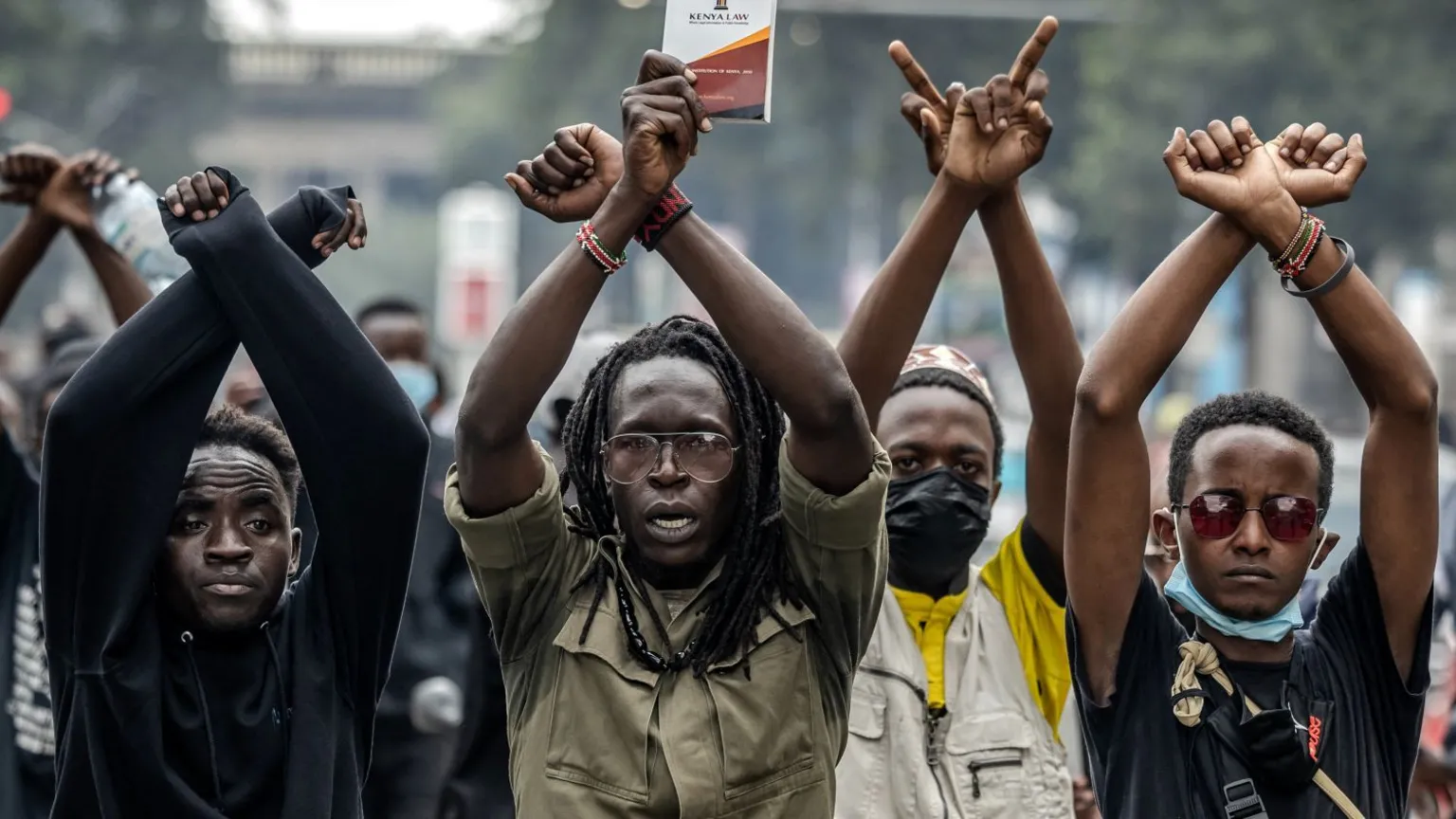
Kenyan authorities paid organized networks of online trolls to threaten and intimidate young activists during the 2024–2025 anti-government protests, Amnesty International has revealed in a new report.
The protests largely driven by politically outspoken Gen Z Kenyans mobilizing on social media saw widespread demonstrations against tax hikes, corruption, and rising femicide rates. Rights groups say more than 100 people were killed during clashes with police.
According to Amnesty, government agencies orchestrated a coordinated digital campaign using harassment, surveillance, and disinformation to silence protest leaders. Young women and LGBT+ activists were hit hardest, facing misogynistic abuse, homophobic slurs, and even AI-generated sexual images.
One activist told Amnesty she received death threats and messages targeting her child, forcing her to change her child’s school for safety.
It has long been rumored that the Kenyan government uses paid “keyboard warriors” to control online narratives. Amnesty’s report includes testimony from a man who said he was paid 25,000–50,000 Kenyan shillings ($190–$390) per day to amplify pro-government messaging and bury protest-related hashtags on X (formerly Twitter).
Amnesty interviewed 31 young human rights defenders; nine said they received violent threats across X, TikTok, Facebook, and WhatsApp.
Beyond online harassment, authorities have faced accusations of arbitrary arrests, disappearances, and deadly crackdowns. The government has acknowledged some excessive use of force by police but continues to defend security operations in other cases.
Amnesty’s Secretary General Agnès Callamard said the findings show “widespread and coordinated tactics on digital platforms to silence and suppress protests,” driven by state-sponsored troll networks.
Kenya’s Interior Minister Kipchumba Murkomen denied the allegations of sanctioned harassment, insisting any officer who acts unlawfully “bears individual responsibility.”
Amnesty also raised concerns about suspected illegal surveillance of protest leaders, including claims that authorities accessed mobile data—an allegation Kenya’s largest telecom provider, Safaricom, denies.
