

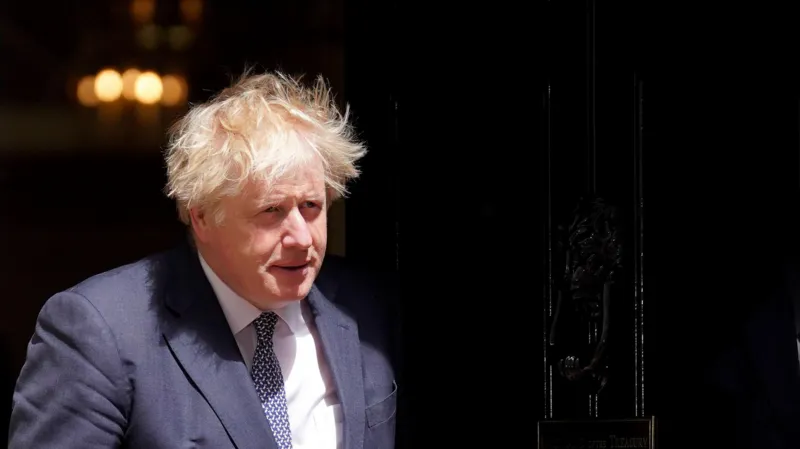
An official UK government report has delivered a harsh verdict on Britain’s handling of COVID-19 under former Prime Minister Boris Johnson, calling the response “toxic and chaotic” and estimating that up to 23,000 deaths could have been prevented. With more than 230,000 COVID-related deaths recorded, the suggestion that nearly 10% might have been avoided is a devastating finding.
The inquiry says indecision, mixed messages, and delayed lockdowns defined the government’s early pandemic response. It describes a leadership distracted by other political priorities—especially Brexit—and slow to recognise the seriousness of the virus.
According to the report, a lockdown announced on 23 March 2020 should have been imposed a week earlier. Acting on or around 16 March could have saved roughly 23,000 lives. February 2020 is described as a “lost month,” when officials failed to grasp the threat. Witnesses also described a damaging culture in Downing Street where loud voices drowned out scientific advice and where women’s input was often dismissed. Key adviser Dominic Cummings is singled out for contributing to instability and fear inside the government.
The findings depict a prime minister who repeatedly underestimated the virus, shifted unpredictably between strategies, and allowed politics to override public-health urgency. The consequences were severe: an overwhelmed NHS, shattered trust, and families grieving amid scandals like “Partygate.” The British Medical Association called the failures “a terrible indictment” of the government.
The inquiry’s message is clear. For the bereaved, there must be recognition and accountability. For national leadership, there must be a shift toward early action, expert-led decisions, and genuine preparedness. The report also warns that Britain had planned for “the wrong pandemic,” focusing on flu instead of novel viral threats.
The stakes could not be higher. Repeating the same mistakes will cost more lives and deepen public distrust. The response must go beyond apologies—Britain needs stronger public health systems, better decision-making structures, and leaders who act before a crisis becomes a catastrophe.
What people can do now is demand transparency and real reform, stay informed about how public health decisions are made, and support investment in the NHS and local health services. A healthier government culture—one that values evidence over noise—is essential.
The inquiry concludes that Britain’s early COVID response did more than fall short; it cost lives. The lesson it leaves behind is simple but urgent: timing matters, leadership matters, and ignoring warnings carries a deadly price. Whether the country learns from this failure will determine how it faces the next pandemic.
