

Airtel Africa’s remarkable performance on the FTSE 100 this year second only to gold miner Fresnillo has spotlighted African telecoms, often overlooked by global investors. Operating as a top-two player in each of the 14 African countries where it is present, including Nigeria, Airtel has long been a patient bet for emerging-market investors.
The stabilization of the Nigerian naira has been a key driver behind Airtel’s 164% share price surge, allowing growth in its data and mobile money businesses to feed directly into profits. Since January, the naira has strengthened to 1,447.79 per dollar, following devaluations in 2023 and 2024 that had masked local-currency growth in dollar terms.
Analysts have also highlighted Nigeria’s 50% tariff increase earlier this year after a 12-year freeze, which contributed to Airtel’s nearly fivefold jump in after-tax profit to $376 million by September.
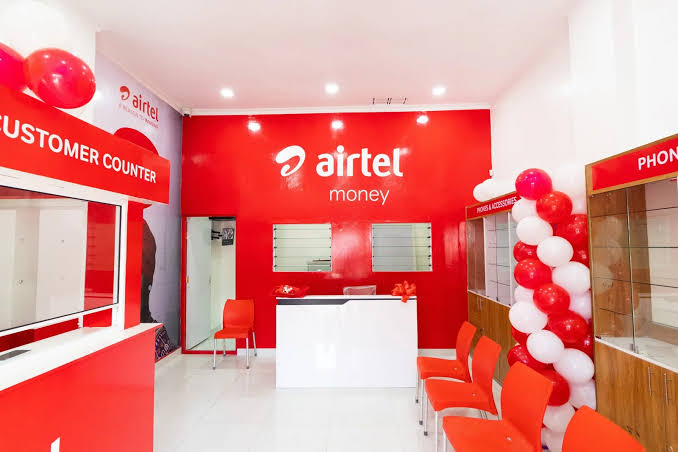
Investor focus is increasingly on Airtel Money, the company’s mobile money unit, which is scheduled for a separate listing in the first half of 2026. Airtel Africa, majority-owned by India’s Bharti Airtel, currently trades at 4.6 times expected core earnings, up from below three just four months ago, giving it a market valuation of $14.6 billion.
Other African telecoms have also seen gains, though not reaching previous highs. Kenya’s Safaricom is up 70% in dollar terms this year, MTN has more than doubled, and Vodacom is up 52%.
Mastercard’s 2021 stake in Airtel Money valued the business at $2.65 billion. Analysts, including Deutsche Bank’s John Karidis, argue Airtel Money should be worth at least 13 times forward core earnings—roughly double the value of Airtel’s telecom operations—underscoring significant upside potential as both telecom and mobile money markets expand.
