

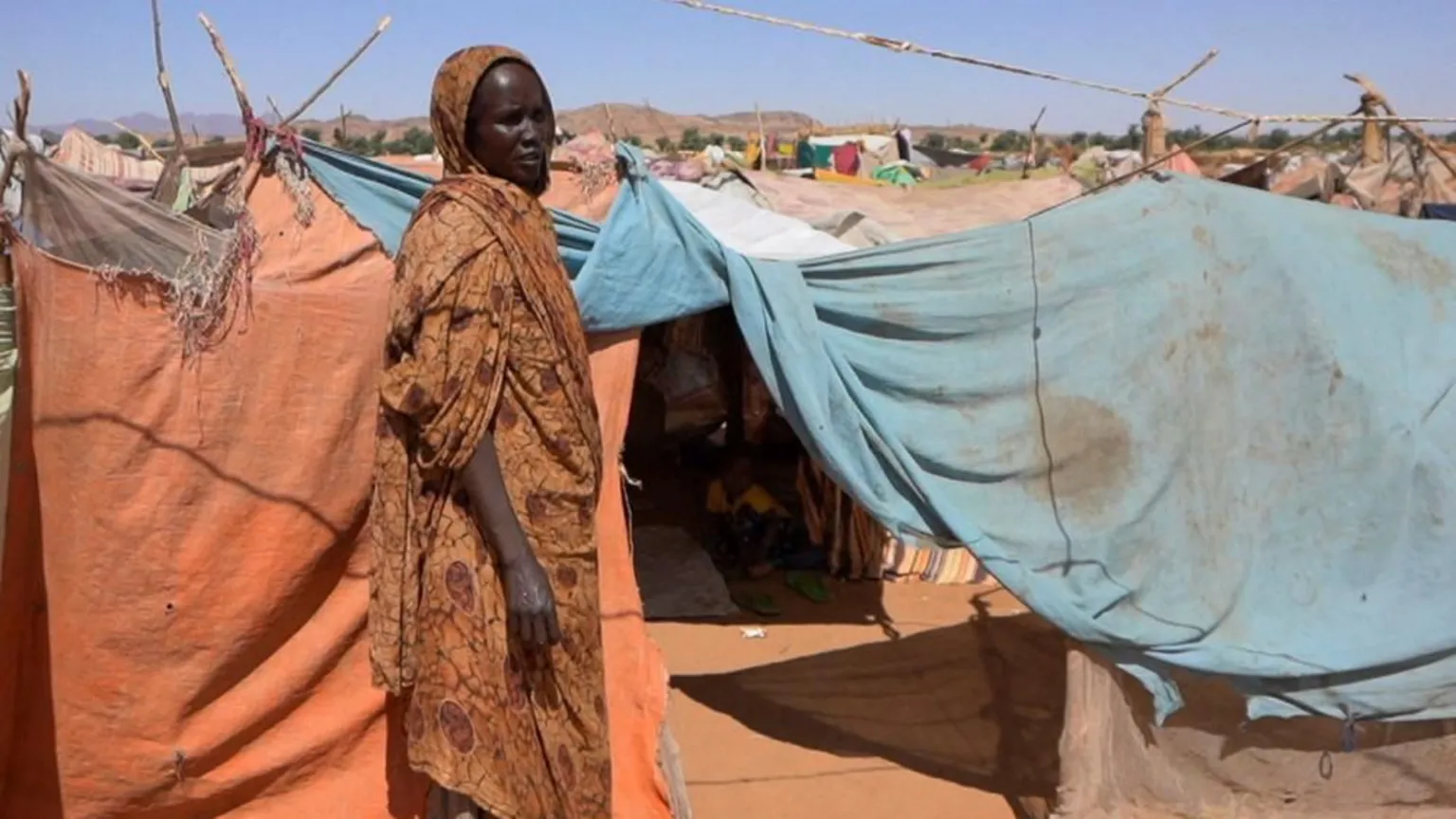
A United Nations fact-finding mission says atrocities committed during the siege and capture of the Sudanese city of el-Fasher bear the defining characteristics of genocide.
The paramilitary Rapid Support Forces (RSF) seized el-Fasher, a key city in Sudan’s western Darfur region, at the end of October following an 18-month blockade. The takeover marked one of the most violent episodes in Sudan’s nearly three-year civil war and provoked widespread condemnation from the international community.
According to the UN mission, this is the strongest indication yet that RSF fighters may be carrying out genocide in Darfur during the current conflict. While the RSF has not responded directly to the findings, it has previously rejected similar allegations.
Mona Rishmawi, an expert with the UN investigative team, said the evidence gathered leaves little room for doubt. She cited the prolonged siege, deliberate starvation, obstruction of humanitarian aid, and the subsequent wave of mass killings, rape, torture, enforced disappearances, and public humiliation. She added that statements made by the perpetrators themselves further reinforce the conclusion that the RSF acted with the intent to destroy, either wholly or partially, the Zaghawa and Fur communities in el-Fasher. These actions, she said, meet the legal criteria for genocide.
The report states that at least three genocidal acts were committed: the killing of members of protected ethnic groups, the infliction of serious physical and psychological harm, and the deliberate creation of living conditions designed to bring about the physical destruction of those groups.
Although investigators were unable to enter el-Fasher, their findings are based on more than 320 interviews with survivors, statements attributed to RSF commanders, as well as verified video footage and satellite imagery.
Reacting to the findings, UK Foreign Secretary Yvette Cooper described the evidence as “truly horrific” and said she would present the conclusions to the UN Security Council on Thursday. In a statement, she called for international criminal investigations to ensure justice for victims and accountability for those responsible, as well as an immediate halt to the flow of weapons fuelling the war.
Sudan’s civil war began in April 2023 following a power struggle between the national army and the RSF over the future role of the paramilitary force within the country’s security apparatus. What started as a political dispute has since expanded into a nationwide conflict driven by deep-rooted grievances and ethnic tensions. Both sides have been accused of war crimes and serious human rights violations.
In Darfur, Arab militias aligned with the RSF have repeatedly targeted non-Arab communities they consider hostile, employing extreme violence reminiscent of the campaign carried out around two decades ago. During that earlier conflict, hundreds of thousands of people from indigenous African ethnic groups were killed under the rule of former president Omar al-Bashir, who relied on militias to crush local rebellions.
The report explains that during the siege of el-Fasher, the city was intentionally starved and systematically destroyed. This strategy weakened the targeted population and left civilians exposed when the assault intensified. Investigators documented how thousands of people, particularly from the Zaghawa community, were killed, raped, or forcibly disappeared over the course of three days described as a period of “absolute horror.” RSF forces, the report says, made no meaningful distinction between civilians and armed groups defending the city.
UN investigators described the violence in el-Fasher as an escalation of earlier patterns of abuse but on a much larger and more deadly scale. They warned that the failure to intervene despite clear warning signs has left the situation unresolved, and that without prevention and accountability, the risk of further genocidal acts remains high.
The Human Rights Council in Geneva mandated the mission to identify suspected perpetrators wherever possible to ensure accountability. The report names RSF leader Lt Gen Mohamed Hamdan Dagalo, commonly known as Hemedti, along with RSF spokesperson Lt Col Al-Fatih Al-Qurashi, citing their public claims and celebration of the operation.
While Hemedti acknowledged that “violations” occurred during the capture of el-Fasher and described the situation as a catastrophe, he defended the assault as necessary. He also claimed to have instructed his forces not to harm civilians or kill prisoners and promised internal investigations. However, the UN mission says the RSF failed to respond to requests for clarification on any steps taken or to answer other questions.
According to the report, the scale, coordination, and public endorsement of the operation by senior RSF leadership indicate a planned and organised campaign carried out through a clear chain of command, rather than isolated or spontaneous acts.
The report also mentions a notorious commander known as “Abu Lulu,” who was arrested after videos of his brutality circulated online. However, investigators said the RSF provided no information about whether any judicial proceedings followed.
Investigators further noted a lack of cooperation from Sudanese authorities, a situation Cooper described as “shameful and unacceptable” on the part of both warring factions.
Although the mission was not authorised to investigate the role of foreign actors, the report highlights that the RSF’s campaign was strengthened by foreign mercenaries equipped with advanced weapons and communication systems. Investigators said they are engaging with several states over credible information suggesting involvement and plan to report further on this issue.
The United Arab Emirates is widely reported as the RSF’s main international backer, a claim it strongly denies despite previous UN-described credible evidence from international investigations. Following the el-Fasher massacre, scrutiny of Abu Dhabi intensified, though no public pressure was applied by the UN, the US, or the UK.
The Emirati foreign ministry condemned what it described as grave violations documented by the investigators, while also accusing Sudanese armed forces of committing atrocities. It stressed that the report did not mention Abu Dhabi and rejected what it called baseless claims linking the UAE to violations of international law in Sudan.
The UN mission urged the international community to fully enforce the existing arms embargo on Darfur and extend it to the rest of Sudan, block weapons transfers to parties implicated in serious abuses, impose targeted sanctions, cooperate fully with the International Criminal Court, and consider establishing a complementary judicial mechanism.
Cooper said she supports further investigations into reported breaches of the arms embargo and believes it should be expanded and enforced. She also drew attention to widespread sexual violence, describing it as a deliberate “war against women’s bodies.”
She emphasised the need for global pressure to secure a ceasefire, ensure humanitarian access, and provide support for survivors. The UN Security Council meeting aims to revive efforts toward a humanitarian truce, which has so far failed despite immense civilian suffering. Both sides continue to frame the war as an existential struggle and remain heavily armed through foreign support.
“The world is still failing the people of Sudan,” Cooper said. “When reports of the horrors in el-Fasher emerged, it should have marked a turning point. Instead, the violence continues. Today, at the Security Council, the UK will make sure the world does not look away.”
