

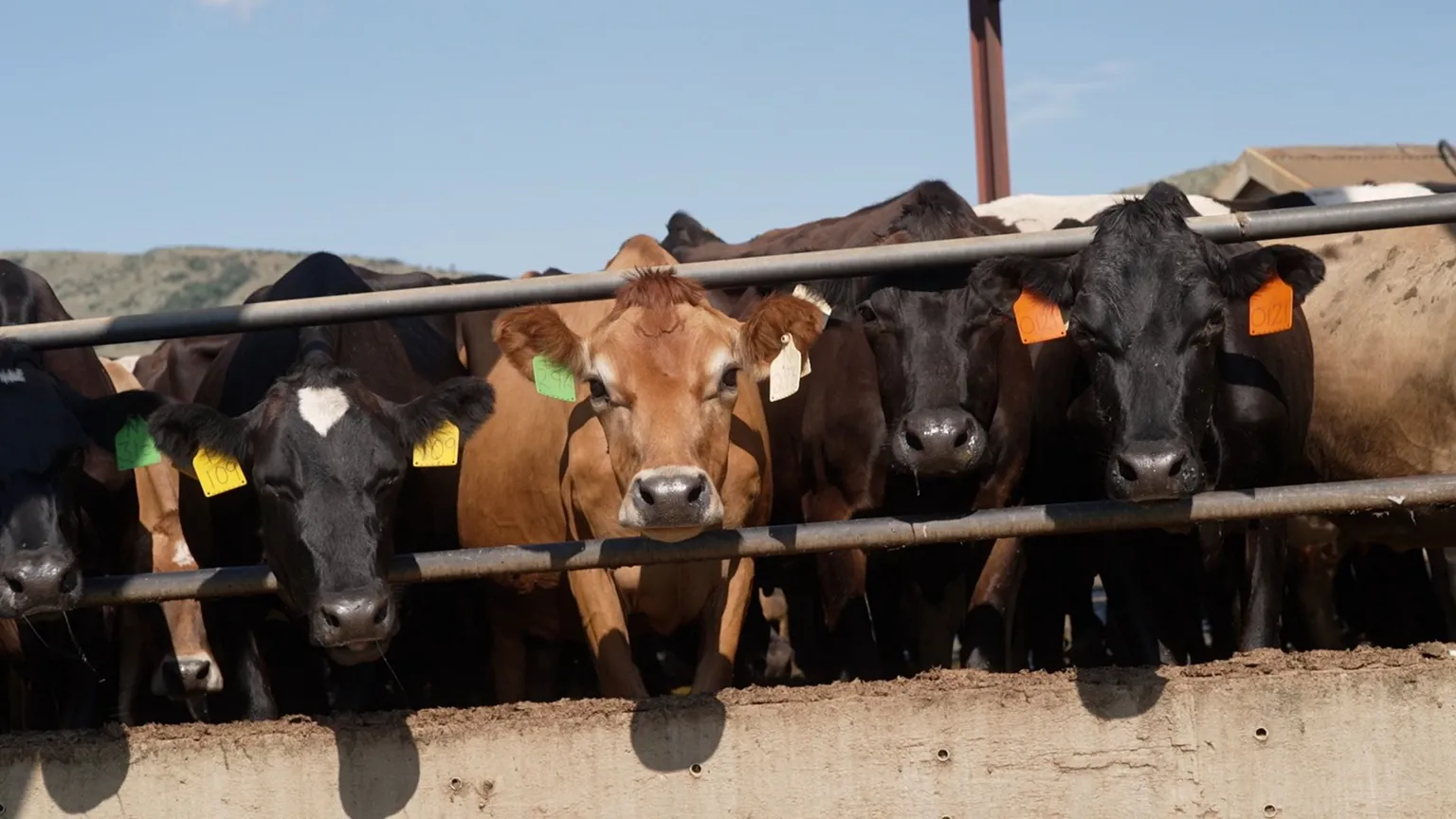
The rolling green hills of KwaZulu-Natal appear calm, but beneath the rural tranquillity, fear and uncertainty are spreading fast. The province has become the centre of South Africa’s worst foot-and-mouth disease outbreak in years—an epidemic that has, over the past year, reached eight of the country’s nine provinces and left farmers counting mounting losses.
To contain the highly contagious virus, thousands of cattle have been culled. For many farmers, the consequences go beyond the immediate loss of animals. They fear the collapse of their livelihoods as export markets shut their doors to South African meat and livestock products.
Foot-and-mouth disease spreads through direct contact between animals, as well as contaminated feed, water, or equipment. It causes painful blisters in the mouth and around the hooves of animals such as cattle, sheep, and goats, often leading to lameness and difficulty feeding. While the disease does not pose a threat to humans, it sharply reduces productivity and can be fatal to young animals.
The outbreak has now been declared a national disaster. Although agriculture contributes a relatively small share to South Africa’s overall economy, it plays a vital role in rural employment and is a major source of foreign exchange through exports.
KwaZulu-Natal lies at the heart of the country’s dairy industry. Along the banks of the Mooi River, dairy farms dot the landscape, with cattle grazing on open pastures. Here, farmers have implemented biosecurity measures such as disinfectant stations at farm entrances, roadblocks, and restrictions on animal movement. Despite these efforts, the virus has continued to spread.
At one large commercial dairy farm, owner Carol Houston says her herd became infected last month. She recalls receiving a call from her staff reporting that dozens of cows were limping and showing signs of mastitis.
“We spent roughly $380 per cow on treatment, including antibiotics,” she told the BBC. “But despite everything we did, my milking herd’s output dropped from 14,000 litres a day to just 9,000 within days.”
The reduction lasted for around two weeks while the infection ran through her herd of 2,200 cattle. Now, as cows line up for milking, workers carefully examine each animal for signs of the disease. In the heat of the afternoon sun, teats are cleaned and checked before being connected to milking machines that pump milk into large storage containers.
Houston, who has farmed for more than three decades, believes the outbreak could have been prevented. She blames the government for failing to act quickly enough—an accusation echoed by neighbouring dairy farmer Peter Griffin, who has worked in the industry for 44 years.
“This is a catastrophe that could’ve been avoided,” he says. “We should never have reached this stage. The state has failed us.”
Foot-and-mouth disease is classified in South Africa as a controlled animal disease, meaning the government is responsible for leading containment and eradication efforts. Agriculture Minister John Steenhuisen has come under intense criticism, but last month announced a long-term plan to eliminate the disease within 10 years.
In the short term, the strategy involves mass vaccinations in the worst-affected areas, followed by a nationwide rollout targeting the country’s estimated 14 million livestock animals. However, many farmers remain unconvinced.
“We were told the vaccine would arrive in January. It didn’t. Then February. Still nothing,” Houston says. “The timeline keeps being pushed back. It’s incredibly frustrating.”
For small-scale farmers, the delays are even more alarming. Nompumelelo Ndlovu, who owns around 20 cattle and relies on buying and selling livestock to earn a living, says the stakes could not be higher.
“If the vaccine doesn’t arrive on time, all my cattle will be at risk,” she says. “That would be the end of my business.”
President Cyril Ramaphosa’s decision to declare the outbreak a national disaster allows the government to release emergency funds and fast-track vaccine imports. South Africa currently lacks the capacity to produce foot-and-mouth vaccines at scale, following decades of underinvestment and the loss of technical expertise.
Steenhuisen has announced plans to restart domestic vaccine production, though officials acknowledge it will take time before enough doses are available. In the meantime, one million vaccines are expected to arrive from Argentina, but that shipment will cover only a fraction of the national herd.
“We’re hoping government gets this right and vaccinates the entire herd quickly,” says Ntuthuko Shezi, head of investment firm Livestock Wealth. “If we could manage a Covid-19 vaccine rollout, we should be able to do the same here.”
For now, farmers across South Africa remain on edge, watching their herds closely and waiting for help to arrive before the damage becomes irreversible.
