

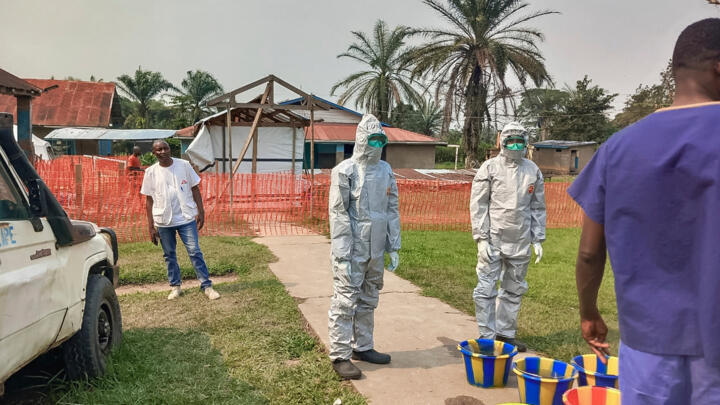
The Democratic Republic of Congo (DRC) has officially announced the end of its latest Ebola outbreak in the Kasai province, marking a huge public health milestone. No new instances have been recorded by authorities in the last 42 days, indicating that the virus has been successfully contained.
This 16th Ebola outbreak in the nation has resulted in 53 confirmed cases, 45 fatalities, and 11 suspected infections, according to Health Minister Roger Kamba. In response, the Ebola vaccine was administered to almost 47,500 people; this campaign is mostly attributed to the efforts of frontline healthcare professionals. Their quick mobilisation and commitment were essential in stopping the virus’s spread in this isolated area.
The epidemic was originally reported on 4 September in Bulape, Kasai, marking the province’s first Ebola incident since 2008. The World Health Organisation (WHO) and Congolese health authorities closely coordinated containment measures, which included setting up a facility specifically for treating Ebola. Coordinated disaster response tactics and community involvement helped overcome early obstacles like restricted access to impacted areas and little funds.
Dr Mohamed Janabi, WHO Regional Director for Africa, characterised the speedy containment as “a remarkable achievement,” underlining the vital role of national authorities, health workers, international partners, and local people in responding swiftly to one of the country’s hard-to-reach locations.
The last recorded Ebola case was discharged on 19 October, and no new illnesses have occurred since 25 September. DRC has started 90 days of increased disease surveillance as part of post-outbreak procedures to guarantee early detection of any potential resurgence.
Even if the Ebola outbreak has been effectively contained, other infectious illnesses like cholera and mpox still pose a threat to public health in Congo, underscoring the continuous need for improved healthcare infrastructure and disease surveillance systems.
This success in Kasai provides a paradigm for future epidemic preparedness in the area by demonstrating the efficacy of coordinated vaccination efforts, quick emergency response, and community collaboration in containing lethal viruses viral outbreaks.
