

A major green energy project planned in Namibia is raising both excitement and concern, as supporters highlight its economic potential while conservationists warn it could threaten fragile ecosystems and endangered wildlife.
The project aims to turn Namibia into a global hub for green hydrogen, a clean-burning fuel produced using renewable energy. The initiative is being led by Hyphen Hydrogen Energy, a joint venture backed by the German renewable energy firm Enertrag and the Namibian government.
Developers want to build large solar and wind farms inside Tsau ǁKhaeb National Park, a vast desert wilderness along the Atlantic coast. The park covers about 26,000 square kilometres and has remained largely untouched for more than a century, allowing unique plants and animals to thrive.
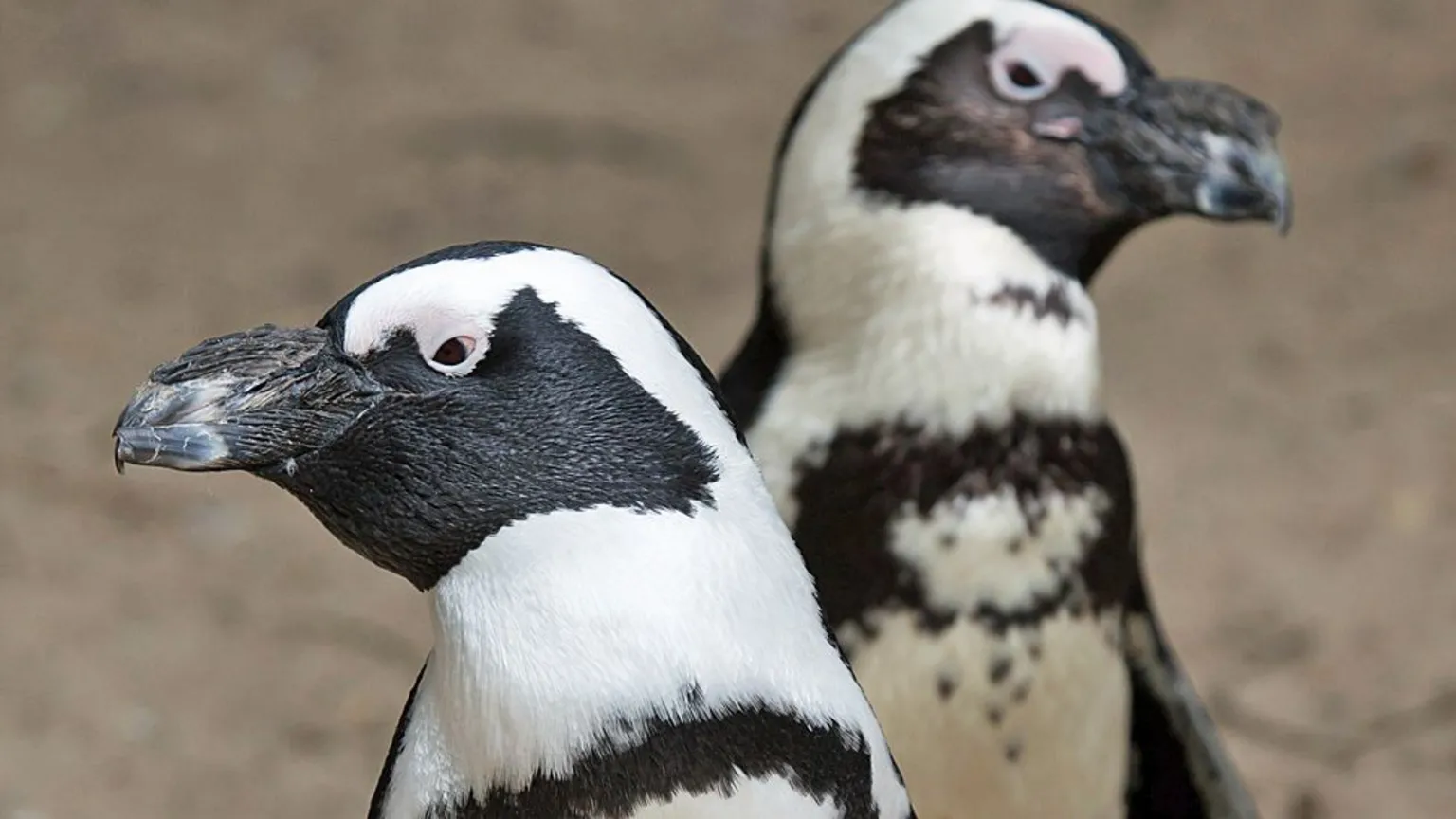
Among the species at risk is the African penguin, which scientists warn could disappear from the wild by 2035. The birds live along the nearby Namibian Islands Marine Protected Area, a 400km stretch of protected coastline. Conservationists fear port expansion and industrial activity near the coastal town of Lüderitz could disturb breeding grounds and disrupt the marine ecosystem the penguins depend on.
Environmental groups, including the Namibian Chamber of the Environment, argue that the project risks damaging a biodiversity hotspot filled with rare desert plants such as specialized succulents that have adapted to the harsh environment. Critics say that while the project is labelled “green hydrogen,” the environmental impact could make it closer to what they call “red hydrogen.”
Supporters of the project point to the potential economic benefits. Namibia has a youth unemployment rate of about 44%, and the project could create around 15,000 construction jobs and 3,000 permanent positions once operational.
The plan is massive in scale. Hyphen aims to generate 3.75 gigawatts of renewable electricity from solar and wind power. That electricity would run electrolysers that split water into hydrogen and oxygen. Because hydrogen is difficult to transport, it would be converted into ammonia at the coast and exported to global markets.
The total investment could exceed $10 billion, which is close to the size of Namibia’s entire annual economic output.
However, some local residents and activists say more transparency is needed about how the project will affect the community. Others have raised cultural concerns, noting that nearby Shark Island was the site of a concentration camp during the Herero and Nama genocide, where thousands of people died under German colonial rule.
A final decision on whether the large-scale hydrogen project will proceed is expected by the end of 2026. For now, Namibia faces a difficult balance between economic development, clean energy ambitions and protecting its unique natural heritage.
