

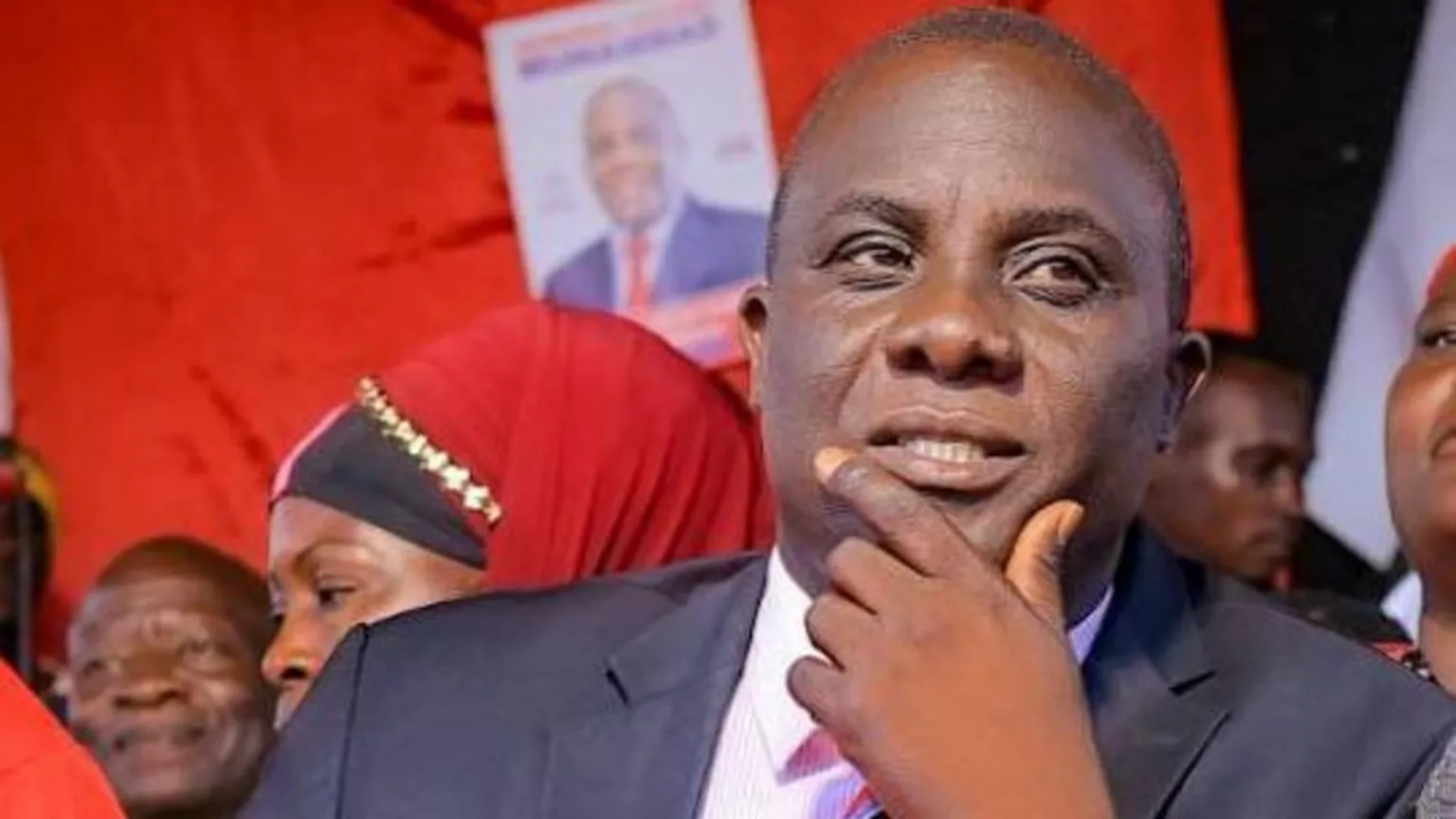
Ugandan police have arrested a lawmaker and close ally of opposition leader Bobi Wine over his alleged involvement in election-related violence last week.
Muwanga Kivumbi, a deputy leader of Wine’s National Unity Platform (NUP), is accused of organising attacks on a police station and a vote-tallying centre following the party’s electoral loss. The NUP has denied the allegations.
Police say seven people were killed during the unrest, but Kivumbi disputes this, claiming that 10 people were killed at his home while they waited for parliamentary election results.
In a statement posted on X on Thursday, the Uganda Police Force said Kivumbi would be “arraigned before court in due course” and that his arrest was connected to “recent incidents of political violence”.
The arrest comes amid heightened tensions following last week’s elections, in which President Yoweri Museveni was re-elected for a seventh term.
During his victory speech, Museveni accused opposition figures, including Kivumbi, of coordinating attacks on polling stations. He said police shot dead seven people after alleged opposition supporters armed with machetes attempted to carry out violent attacks in Butambala district, outside the capital Kampala.
Bobi Wine, Museveni’s main challenger, has gone into hiding after fleeing a raid on his home following the elections. He has rejected the results as fraudulent and accused the authorities of carrying out a “silent massacre” and a crackdown on political activists.
Earlier this week, Wine claimed on social media that more than 100 people had been killed in election violence, though he provided no evidence. This followed comments by Uganda’s army chief, Gen Muhoozi Kainerugaba — Museveni’s son and a potential successor — who said security forces had killed 22 opposition supporters during poll-related unrest.
Since the election, Ugandan authorities have reportedly arrested dozens of young people in Kampala on charges linked to election violence.
Museveni first took power in 1986 after leading a rebel movement. If he completes his new term, he will have ruled Uganda for 45 years by 2031. The country has never experienced a peaceful transfer of presidential power since independence.
