

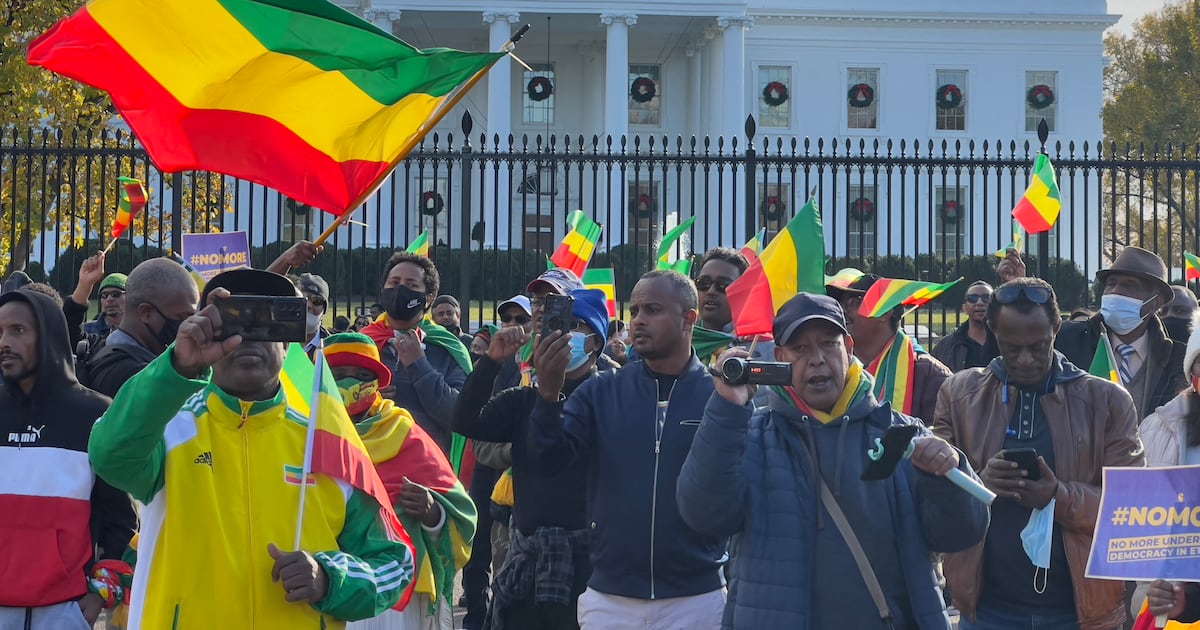
The official end of Temporary Protected Status (TPS) for Ethiopian citizens marks a major shift in U.S. immigration policy toward African countries as the Trump administration removes humanitarian protections. The ruling, issued Friday by Homeland Security Secretary Kristi Noem, gives thousands of Ethiopians in the U.S. 60 days to voluntarily leave the country.
South Sudan and Ethiopia Lifted, TPS Barking Gets Tighter.
The administration’s review concluded that Ethiopia was no longer entitled to Temporary Protected Status. The program, originally granted in December 2022 due to conflict and instability, was terminated, Noem said in a notice in the Federal Register. In April 2024, former Secretary Alejandro Mayorkas renewed the designation because of ongoing humanitarian concerns. The cancellation means many long-term Ethiopian residents now face uncertainty about whether they can stay, work, or receive basic services. They have been ordered to leave within 60 days before removals begin in early March.
The same has happened to South Sudanese people. The Department of Homeland Security cancelled TPS for South Sudan last month after an interagency review of security and humanitarian partners. DHS encouraged departing nationals to record their departure using the CBP Home Mobile App to facilitate what it called a safe and secure self-deportation process.
The tightening of the policy is another controversial move after President Trump withdrew TPS for Somali nationals in Minnesota, which has the largest Somali population in the United States. In a late-night post on Truth Social, Trump mentioned unsubstantiated claims of gang activity and financial fraud, which sparked backlash from advocacy organizations and state leaders. In Minnesota, Somali TPS protections will continue until March 2026 despite the announcement.
With Ethiopia no longer in the program, Sudan is now the only African country with full TPS coverage. The program offers an early voluntary departure option that includes a plane ticket, a $1,000 exit incentive, and possible access to future legal immigration routes.
Narrowing the Safety Net of African Immigrants.
A series of TPS repeals by the administration highlights a broader rollback of U.S. humanitarian protections for nationals of disaster-affected nations. For many Ethiopian residents who have built lives, families, and careers in the U.S., the termination marks the start of an uncertain and challenging transition.
With departures imminent, human rights activists fear that the end of TPS for Ethiopia and South Sudan, along with the political debate over Somali protections, signals a more restrictive period for African immigrants seeking refuge and permanence in the United States.
