

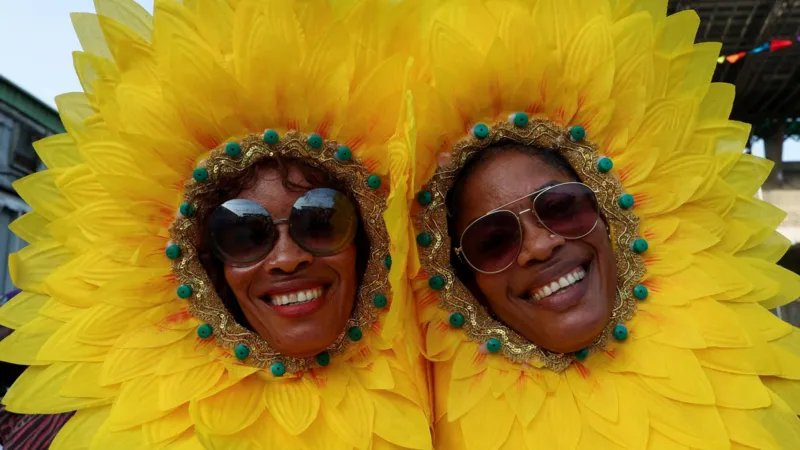
The streets of Lagos came alive as the annual Fanti Carnival transformed Lagos Island into a vibrant display of culture, history, and artistic expression. With elaborate costumes, lively music, and energetic processions, the event once again celebrated a tradition that has thrived for over two centuries.
Rooted in history, the carnival honors the legacy of Afro-Brazilian returnees—formerly enslaved Africans and their descendants who made their way back to West Africa in the 19th century from countries like Brazil and Cuba. Settling in Lagos Island, they brought cultural influences that blended with local Yoruba traditions, giving rise to a unique celebration that is neither entirely Brazilian nor Yoruba, but distinctly its own.
This year’s festivities featured dazzling spectacles, including stilt walkers, dragon puppets, and richly adorned horses moving through the streets. Participants showcased creativity through bold, colorful costumes, while music and dance added to the electric atmosphere that drew crowds from across the city.
The carnival is sustained by seven historic associations, each tied to different communities on Lagos Island. These groups are easily identified by their signature colors—such as the Lafiaji association, known for its red and white attire—adding a sense of identity and unity to the celebration.
Beyond the spectacle, the event carries deep cultural significance. For many attendees, it is a way to preserve heritage and pass it on to younger generations. Children and teenagers actively participated in the parades, signaling a strong continuity of tradition.
More than just a festival, the Fanti Carnival stands as a living symbol of Lagos’s multicultural roots—where history, community, and creativity come together in one of the city’s most enduring and colorful celebrations.
