

The presidential election in Guinea-Bissau remains unfinished, as the electoral commission announced that it is unable to complete the results of the 23 November election. On 26 November, men with firearms forced their way into the office of the commission, looted ballots and tally sheets, and burned servers containing the results.
Commission official Idrissa Djalo stated that, “We are not in a material and logistical situation to proceed with the electoral process. The incumbent President Umaro Sissoco Embalo and opposition candidate Fernando Dias da Costa announced victory before the military took over power the same day. Embalo referred to the takeover as a coup.
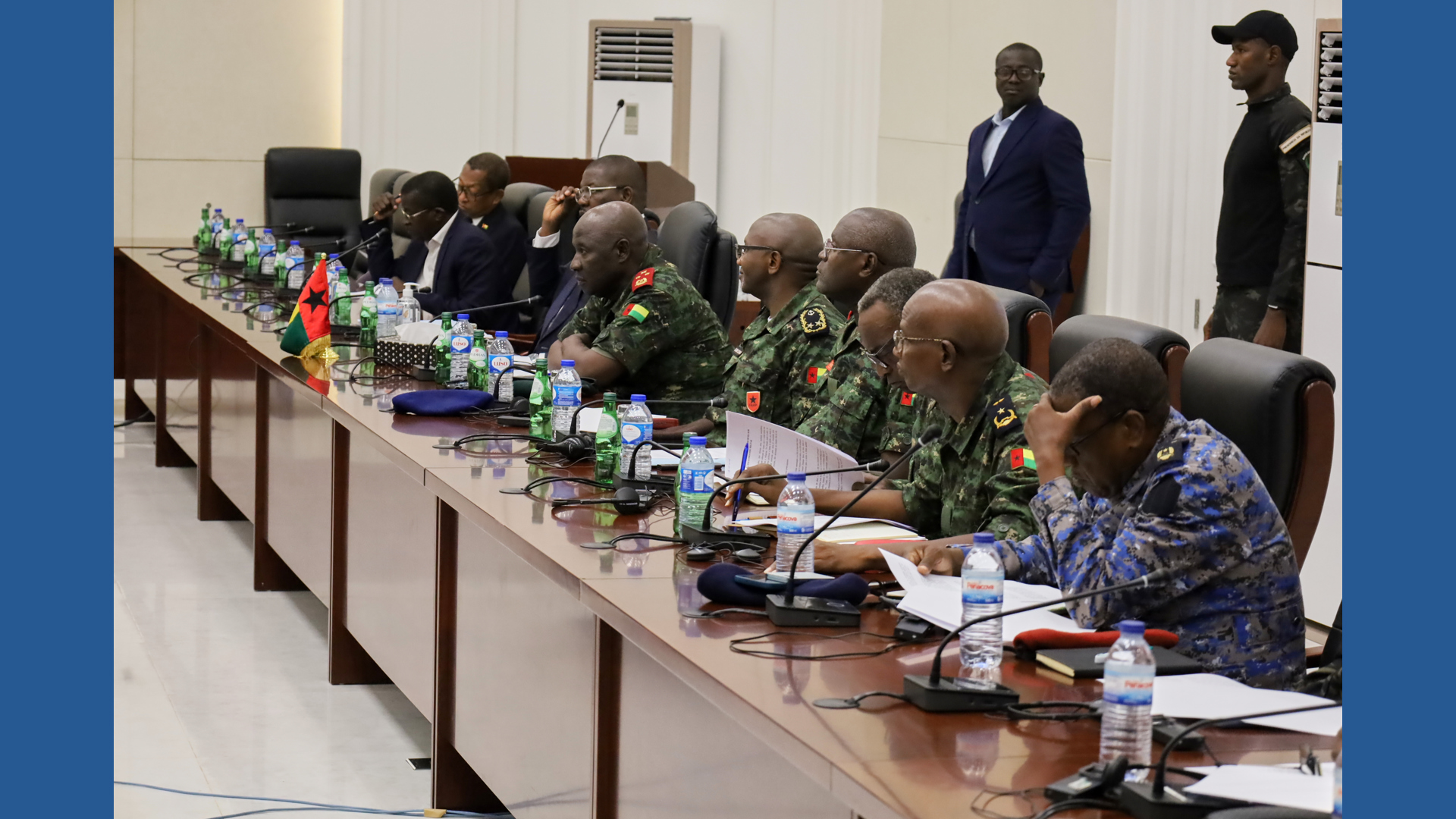
The army placed General Horta Inta-a, a former army chief, in charge on an interim basis, and he was sworn in the following day. Inta-a, during the weekend, installed a 28-member transitional government, which is dominated by supporters of Embalo, to manage a transition of one year. Embalo escaped to the Republic of Congo to Brazzaville and then to Senegal. President Bola Tinubu of Nigeria subsequently declared protection for da Costa on the basis of an imminent danger to his life.
Embalo and his military backers are accused of the coup by foreign officials and the opposition of Guinea-Bissau to prevent the possible electoral defeat.
